Showing posts with label IAAW38. Show all posts

Friday, February 4, 2022

African Diaspora at Internet Archive: The People Could Fly

Earlier this week I wrote about Virginia Hamilton's Ring of Tricksters, and when I saw this tweet from the Schomburg Center last night, I knew I wanted to write about her book The People Could Fly in today's blog post!


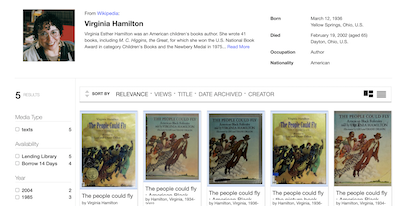
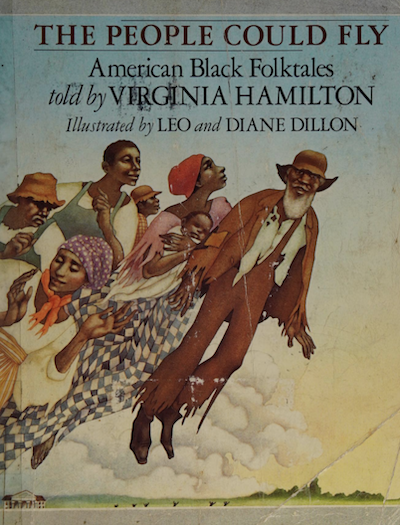
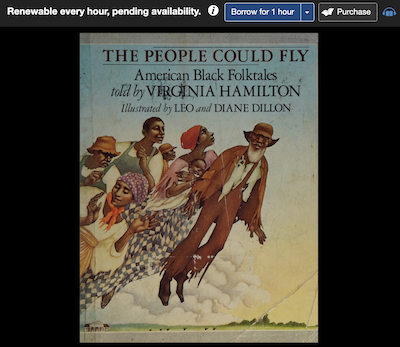
There are multiple copies of both versions of this book available at Internet Archive. First, there's the 1985 anthology which contains 24 folktales: The People Could Fly: American Black Folktales.


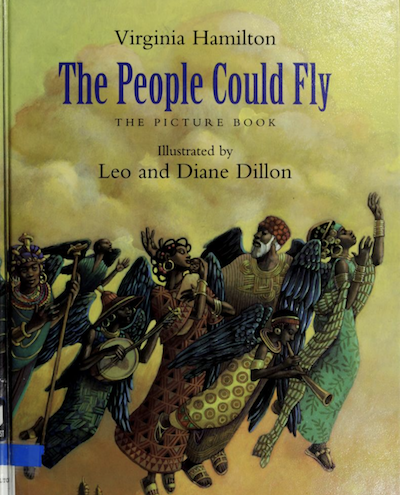
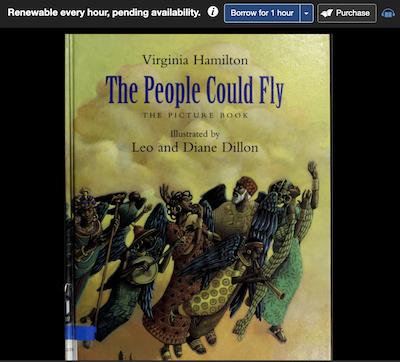
Then, in 2004, shortly after Virginia Hamilton's death in 2002, the illustrators, Leo and Diane Dillon, published a picture book version of the title story: The People Could Fly: The Picture Book. 


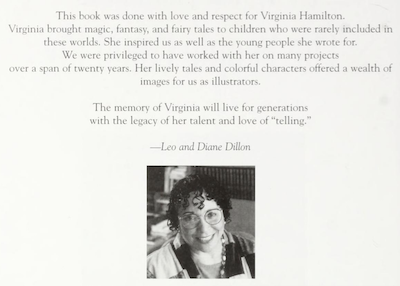
The Dillons worked closely with Virginia Hamilton over the years, and they open this book with a lovely tribute to her:


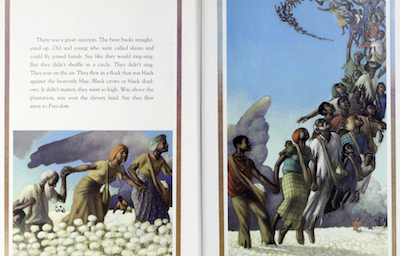
In both the 1985 and the 2004 books, you will see the Dillons' instantly recognizable style. The anthology has black-and-white illustrations; the picture book is in color:


I've featured many books with illustrations by the Dillons previously; you can find all those posts here: illustrations by Leo and Diane Dillon.

And here is a link to the stories in the anthology, story by story: there is such a great variety here, and Hamilton's writing is marvelous:


So, enjoy the beautiful stories and enjoy the beautiful artwork; Hamilton's anthology is one of the best you will find, and the picture book is perfect to share with younger readers. It's all just a click away at Internet Archive, and they have multiple copies of both books too!


Thursday, February 3, 2022

African Diaspora at Internet Archive: American Negro Folklore

Yesterday I mentioned the importance of ballads in African American folklore traditions (John Henry), and I thought a good book to share today would be this marvelous overview of African American folklore by the remarkable John Mason Brewer: American Negro Folklore.


You can find out more about John Mason Brewer at Wikipedia. Among his many accomplishments, he was the first African American to serve on the council of the American Folklore Society. 


Here's a historical marker in his honor in Goliad:


I'll have more to say about Brewer when I write up blog posts about his other books at the Internet Archive; for today, I just want to focus on the huge range of content available in this big anthology (400+ pages), as you can see from the table of contents below.

Part 1: Tales
Animal Tales. The Wonderful Tar-Baby Story / How Mr. Rabbit Was Too Sharp for Mr. Fox / De Wolf, De Rabbit, and de Tar Baby / Eyeball Candy / Mr. Rabbit and Mr. Bear / Mr. Fox Goes a-Hunting, but Mr. Rabbit Bags the Game / Granny's Version of the Owl / Sheer Crops / Buh Owl an Buh Rooster / Buh Lion an Buh Goat / Story of a Cow en' Buh Mule
How Come and Why Tales. Why the Negro is Black / Why the Holy Amen Church Has Two Doors / Why the Rabbit Has a Short Tail / Why the Buzzrad Has a Red Hood / Granny's Version of the Eagle Who Became a God / How the Church Came to Be Split Up / Why There are So Many Mosquitoes
Tales of Folk Figures. John and His Boss-man's Watermelon Patch / John and the Two White Men in Court / ole Pete / The Green Runner / The Sweetheart of Harriet Tubman's Brother / King Charley of Albany / Peg Leg and the Tulsa Race Riot / Nancy Vaughn / Jim Beckwourth, Frontiersman / Memories of Lead Belly
Reality-Thinking Tales:
Ghost Stories. Little Black Sambo from Guinea / Treasure Hunting Story / The Sprinkle Man / A Ghost Voodoo Story / A Fish Story from Farmville, Virginia / Uncle Henry and the Dog Ghost / The Saturday Night Fiddler / The Half-Clad Ghost / The Deserted Village / Two Ghost Stories from the Same Section of Virginia / A Negro Ghost Story / Little Nero and the Magic Tea Cakes
Tales of Ranch Life. The Red Toro of Hidalgo County / Ropes Cost Money / The George West Steer / The Palacios Rancher and the Preacher /
Aunt Dicy Tales. Aunt Dicy and the Mailman / Aunt Dicy and the Snuff Salesman / According to Where the Drop Falls / Aunt Dicy and Booker T. Washington's Speech
Reality-Thinking Tales from the North. Twelve Days after Christmas / The Talking Mule / Why the Jews Don't Eat Hog / The White Quail / The Detroit Race Riot / Pony Moore's Story / The Coon in the Box / The Big Watermelon / Brand-Name Stories
Reality-Thinking Tales from the South. Jack and Dinah / Uncle Si, His Boss-man, and Hell / Uncle Aaron Loses His Home / Uncle Aaron Goes Fishing / Uncle Aaron Orders a Baking Pan / The Woman Hurricane / Who's Ready for Who? / A Laugh That Meant Freedom / The Cotton-Pickin' Monkeys / The Oklahoma Freedman / Too Many Ups / Little Julia and Her Grandmother's Cat / The Negro Taxi Driver's Trial / A Yellow Bastard / Tim and Bill from Summerville / How Uncle Steve Interpreted Spanish / Elvannah's Leave-taking / Gib Morgan's Fight / John Green Peas

Part 2. The Negro's Religion
Tales. Brother Brown's Announcement / The Boy Who Played Jesus / Witness of the Johnstown Flood in Heaven / Sister Rosie and the African Missionary / God Throws a Tree Limb / Brother Gregg Identifies Himself / Why So Many Negroes Are in Heaven / Sister Sadie Washington's Littlest Boy / The Preacher and His Farmer Brother / A Job for God / Little David's Question
Sermons and Prayers. Why We Come to Church / The Danger of Neglect / De Progicul Son / De Tetter Wine Christun / A Negro's Version of Heaven and Hell / Dem Sebun Wimmin / Prayers

Part 3. Songs
Spirituals. Swing Low, Sweet Chariot / Steal Away / Old Ship of Zion / The Gospel Train / This Old Time Religion / Lord, I Wish I Had a Come / Did Not Old Pharaoh Get Lost? / When Moses Smote the Water / Didn't My Lord Deliver Daniel? / He Rose from the Dead / My Good Lord's Been Here / Show Me the Way / Nobody Knows the Trouble I See, Lord! / I Ain't Got Weary Yet / I'm a Rolling / All the Time / A Shout Song: Get Right, Stay Right
Folk Blues. Lonesome Blues / Worried Blues / Careless Love / Good Mornin' Blues / Frankie Blues / Michigan Water Blues
Slave Seculars and Work Songs. Foller de Drinkin' Gou'd / Aurore Pradere / Many T'ousand Go / Lay Dis Body Down / I Went to Atlanta / Workin' on de Railroad / Levee Moan / Dis Ole Rock Mine / Sweet Mamie Chadman / Carry Me Back to Old Virginny
Ballads. John Henry / Ella Speed / De Ballit of de Boll Weevil / De Grey Goose / Bob-ree Allin / The Kosciusko Bootlegger's Gripe / The Death of Brock / The Ballad of Harrison Neal
Some Other Songs. A Sea Chantey / Tone de Bell Easy / Honey Bee / Katie an' the Jim Lee Had a Race / We Shall Overcome / Rosie

Part 4. Personal Experiences
Slavery Time. I Can't Forgive Her / If All Slaves Had Belonged to White Folks Like Ours / Out of the Mouths of Ex-Slaves / Kicked Around Like a Mule / Master God Good When War Come Up / Mulatto Whom Owners Treated Like Family Member / The Negro Slave's Pride / Harriet Parker on Slavery
Reconstruction Days. Dorie Boyd on Freedom and Reconstruction / Reconstruction Was a Mighty Hard Pull / Ku Klux / Little but Way Out in Front / The Reverend Matthew N. McRae on The Closest I Evuh Come to Bein' Robbed /
Religious Conversion. Hooked in the Heart / Everything Just Fits / Jesus Handed Me a Ticket
Wartime Experiences. Negroes in the Civil War / He Wanted to Ask a Question
They Speak of Many Things. Experiences of a Chimney Sweeper / New Orleans' First Baby Doll / A Wife Longs for the Town / A Farm Wife Tells of Her Children / A Negro Cowboy / Trabbler Man / No Money, but Provisions / Jim Finn on Calling Up the Devil / Luster an' de Devil / A Harlem Jive Spiel

Part 5. Superstitions. Back Luck Signs / Birds of ILl Omen / Gambling Superstitions / Popular Beliefs / Don'ts / Signs / Weather Lore / Superstitions about Animals / Folk Beliefs from Florida / The Lady in Black / A Witch Sotry / Flying People

Part 6. Proverbs. Plantation Proverbs / Aphorisms from the Quarters / Creole Proverbs / Some Georgia Proverbs / A Few More Old-Time Negro Proverbs /

Part 7. Rhymes. Antebellum Marriage Proposal / Slave Marriage Ceremony / Raise a Rucus Tonight / A Day's Happiness / Cotton-Eyed Joe / Four Runaway Negroes / Bullfrog Put on the Soldier Clothes / Wanted: Cornbread and Coon / Destitute Former Slave Owners / The Cow Needs a Tail in Fly-Time / Bedbug / A Few Negroes by States / Hoecake / Religious Rhymes / World War II Rhymes / Dirty Dozens / Street Cries / Jeering and Taunting / Brother Johnson's Toast

Part 8. Riddles.

Part 9. Names.

Part 10. Children's Rhymes and Pastimes. Mamma's Darling / Little Sleeping Negroes / Stealing a Ride / Two Sick Negro Boys / The Little Rooster / Training the Boy / The End of Ten Little Negroes / Little Boy Who Couldn't Count Seven / Mother Says I Am Six Years Old / When I Was a Little Boy / Pretty Little Girl / Washing Mamma's Dishes / Autograph Album Rhymes / Ring-Game Songs

Tall Tales. The Tallest Man / The Blackest Man / The Stingiest Man / The Darkest Night / The Runningest Car / The Fattest Woman / The Coldest Day / The Longest Dog / The Poorest Horse / The Lowest Person / The Greediest Man / The Tallest Stalk of Corn / The Strongest Mule / The Fastest Running Man / The Biggest Fool / The Bowledggedest Man / The Hottest Day / The Poorest Land / The Crosseyedst Man

So, my own focus is on folktales, and especially animals tales (which do have pride of place even in this anthology, coming in Part 1), but this book is a wonderful way to get a sense of the range of African American folk culture... just a click away at the Internet Archive!
by John Mason Brewer


Wednesday, February 2, 2022

African Diaspora at Internet Archive: John Henry

After writing about Julius Lester and Jerry Pinkney's amazing Brer Rabbit books yesterday, I wanted to follow up with another book they collaborated on: John Henry, which is just a click away at the Internet Archive.


I'll have more to say in future posts about John Henry, since he is a fundamental figure in African American folklore and specifically in the ballad tradition. There is an introduction with some historical context, but the focus of this retelling is the legendary John Henry of the ballad tradition who begins life as a supernatural hero; there's even a unicorn that comes with the other wild animals to witness the birth of this super-strong child. 


Pinkney's illustrations are brilliant, and Lester's writing is, as always, a complete pleasure to read, full of orality. 

Lester also includes the legend of John Henry being able to outrun a horse before getting to the core legend of John Henry driving steel, racing against the machine. 


In the preface, Lester writes about an early conversation he and Pinkney had about the project, and how that got him to thinking about Martin Luther King. That's a profound thought to have in mind as the story concludes: "Dying isn't important. Everybody does that. What matters is how well you do your living."


I'll have more to say about the John Henry ballad tradition later on (there are some fabulous African American song books at the Internet Archive)... meanwhile, if you want to spend some time with Julius Lester and Jerry Pinkney today, this beautiful book is a fine way to do that, and it's just a click away, thanks to the power of Controlled Digital Lending at the Archive.


by Julius Lester


Tuesday, February 1, 2022

African Diaspora at Internet Archive: Julius Lester / Uncle Remus

I'm so excited about this post for the first day of Black History Month, 2022! Today's book is Julius Lester's version of the Brer Rabbit and other African American folktales collected and retold by Joel Chandler Harris — and yes, I'll have lots to say about Joel Chandler Harris in future posts... but today, a much happier topic: Julius Lester! This is the book that got me started on on my own African and African American folktale project, and I was so glad (SO GLAD) to discover that there is a copy available at the Internet Archive.

In this version of the Brer Rabbit stories, Julius Lester has removed the awful Uncle Remus framework, and he's also replaced Harris's patronizing eye-dialect with something more idiomatic and absolutely fun to read. So, if you've never read Brer Rabbit, or if you gave up on the Joel Chandler Harris versions, this is the book for you, just a click away at the Internet Archive: Uncle Remus: The Complete Tales by Julius Lester.


Even better, the book is illustrated by Jerry Pinkney. There are beautiful full-color two-page spreads, and also an abundance of black-and white drawings.


A key feature of Pinkney's illustrations is that the human characters are depicted as African Americans, in sharp contrast to earlier illustrations for Harris's books which depicted Mr. Man and Miss Meadows and the gals et al. as white. So, for example, here's the scene where Mr. Man and his daughter have trapped Brer Rabbit in the garden:


And here's a scene with Brer Rabbit and one of the Miss Meadows's gals:


You might remember both Julius Lester and Jerry Pinkney from previous posts about African folktale books — Julius Lester and Jerry Pinkney — and I'll have be writing about more books from both Lester and Pinkney in future posts about African American folktale books.

This big Brer Rabbit book is a compendium of four earlier books that Lester and Pinkney published, three of which are available at Internet Archive too. An odd thing about the book is that the pagination does not run from the start of the book to the finish; instead, the pagination starts follows the original four books, with each book starting again at p. 1. Below I've listed the titles of each of the individual books, and then links to the stories from that book inside the "Complete Tales" edition:

The Adventures of Brer Rabbit. How the Animals Came to Earth / How Brer Fox and Brer Dog Became Enemies / Hold 'im Down, Brer Fox / Brer Rabbit Comes to Dinner / Brer Rabbit and the Tar Baby / Brer Rabbit Gets Even / Brer Rabbit and Sister Cow / Brer Turtle, Brer Rabbit, and Brer Fox / Brer Wolf Tries to Catch Brer Rabbit / Brer Rabbit Finally Gets Beaten / Mr. Jack Sparrow Meets His End / Brer Rabbit Gets Caught One More Time / The Death of Brer Wolf / Brer Fox and Brer Rabbit Go Hunting / Brer Rabbit Tricks Brer Fox Again / Brer Rabbit Eats the Butter / Brer Rabbit Saves His Meat / Brer Rabbit's Children / The Death of Brer Fox / Brer Rabbit and Brer Lion / Brer Rabbit Takes Care of Brer Tiger / Brer Lion Meets the Creature / The Talking House / Brer Rabbit Gets Beaten Again / Brer Rabbit Tricks Brer Bear / The End of Brer Bear / Brer Fox Gets Tricked Again / Brer Rabbit and the Little Girl / Brer Rabbit Goes Back to Mr. Man's Garden / Brer Possum Hears the Singing / Brer Rabbit's Riddle / The Moon in the Pond / Why Brer Bear Has No Tail / Wiley Wolf and Riley Rabbit / Brer Rabbit Gets the Money / The Cradle Didn't Rock / Brer Rabbit to the Rescue / The Noise in the Woods / Brer Rabbit Gets the Meat Again / Brer Wolf Gets in More Trouble / Brer Rabbit Tells on Brer Wolf / Brer Rabbit and the Mosquitoes / How Brer Rabbit Became a Scary Monster / Brer Fox, Brer Rabbit, and King Deer's Daughter / Brer Rabbit Breaks Up the Party / Brer Rabbit Outwits Mr. Man / Brer Wolf, Brer Fox, and the Little Rabbits / Brer Rabbit's Luck


More Tales of Uncle Remus. Brer Rabbit Gets Brer Fox's Dinner / Brer Rabbit and Brer Fox Kill a Cow / Brer Fox and the Grapes / Brer Rabbit Falls in Love / The Ol' African Helps Out / The Courting Contest / Brer Rabbit, Brer Coon, and the Frogs / Brer Rabbit's Laughing Place / Brer Rabbit Gets the House to Himself / Miz Partridge Tricks Brer Rabbit / The Famine / Brer Rabbit, Brer Bear, and the Honey / Brer Snake Catches Brer Wolf / Brer Rabbit Gets the Meat / Brer Rabbit Scares Everybody / Grinny Granny Wolf / The Fire Test / Brer Rabbit Catches Wattle Weasel / Brer Rabbit and Mr. Man's Chickens / The Barbecue / Brer Alligator Learns About Trouble / Brer Fox Gets Tricked Again / Brer Rabbit and Brer Bullfrog / Brer Rabbit Meets Up With Cousin Wildcat / Brer Rabbit Gets a Little Comeuppance / Brer Rabbit Advises Brer Lion / Brer Rabbit's Money Mint / Brer Rabbit Makes a Deal With Mr. Man / Brer Rabbit Doctors Brer Fox's Burns / Brer Fox Sets a Fire / Brer Rabbit Builds a Tower / Brer Rabbit Saves Brer Wolf - Maybe / Mammy-Bammy Big-Money Takes Care of Brer Wolf / Brer Rabbit and the Gizzard Eater / Why Dogs Are Always Sniffing / Being Fashionable Ain't Always Healthy / The Race


Further Tales of Uncle Remus. Brer Fox and Mr. Man / King Lion and Mr. Man / Brer Fox and Brer Turtle / Brer Fox Gets Tricked by the Frogs / Brer Bear Gets Tricked by Brer Frog / Brer Bear, Brer Turtle, and the Rope-pulling Contest / Brer Turtle Takes Care of Brer Buzzard / Brer Fox Wants to Make Music / The Pimmerly Plum / Brer Turtle Takes Flying Lessons / Brer Buzzard and Brer Hawk / Brer Buzzard Bites the Dust - Again / The Wise Bird and the Foolish Bird / The Most Beautiful Bird in the World Contest / Brer Fox and Uncle Mud Turtle / The Creature With No Claws / Brer Polecat Finds a Winter Home / Brer Bear and Brer Rabbit Take Care of Brer Fox and Brer Wolf / Brer Fox Gets Away for Once / Taily-po / Brer Rabbit, Brer Fox, and the Chickens / Brer Fox Tries to Get Revenge / Brer Wolf and the Pigs / Mr. Benjamin Ram and His Wonderful Fiddle / Mr. Benjamin Ram Triumphs Again / How the Bear Nursed the Alligators / Brer Turtle and Brer Mink / Brer Billy Goat Tricks Brer Wolf / Brer Fox Takes Miz Cricket to Dinner / Miz Cricket Makes the Creatures Run / The Story of the Doodang / Brer Deer and King Sun's Daughter / Teenchy-tiny Duck's Magical Satchel


The Last Tales of Uncle Remus. Why the Cricket Has Elbows on His Legs / Why the Earth Is Mostly Water / The Origin of the Ocean / Brer Rabbit and Miss Nancy / The Old King and the New King / Brer Bear Comes to the Community / The Snake / A Ghost Story / Brer Bear Exposes Brer Rabbit / Brer Rabbit Teaches Brer Bear to Comb His Hair / Why Brer Possum Has No Hair on His Tail / Why Brer Possum Loves Peace / The Baby Who Loved Pumpkins / Impty-umpty and the Blacksmith / The Angry Woman / Brer Rabbit Throws a Party / Why Brer Fox's Legs Are Black / How the Witch Was Caught / Why Dogs Are Tame / How Tinktum Tidy Recruited an Army for the King / Why Guinea Fowls Are Speckled / Why the Guineas Stay Awake / Brer Fox and the White Grapes / Why the Hawk Likes to Eat Chickens / The Little Boy and His Dogs / The Man and the Wild Cattle / Cutta Cord-la / Why Brer Bull Growls and Grumbles / Brer Rabbit, King Polecat, and the Gingercakes / The Fool / How Brer Lion Lost His Hair / The Man and the Boots / Why the Goat Has a Short Tail / Brer Buzzard and Brer Crow / The Blacksmith and the Devil / Why Chickens Scratch in the Dirt / Brer Rabbit and Aunt Nancy / The Adventures of Simon and Susanna

In future posts, I'll have lots more to say about these stories and the Joel Chandler Harris publications that Lester used as his source, but for now I'll just say: ENJOY. Especially if you have never read the Brer Rabbit stories before, there is no better place to start than with Julius Lester and Jerry Pinkney's version, and it's waiting for you at the Internet Archive.

by Julius Lester


Monday, January 31, 2022

African Diaspora at Internet Archive: African American Folktales

Like with the Virginia Hamilton book from yesterday, today's author, Roger Abrahams, is someone who will be familiar to readers from the African phase of this project too. Earlier I wrote about Abrahams's book African Folktales: Traditional Stories of the Black World, and here is today's book: African American Folktales: Stories from Black Traditions in the New World, which is the best anthology IMO for learning about African storytelling traditions in the Americas.


The book contains 107 stories, organized into different sections as follows (these are links to the specific story pages at Internet Archive):

PART I. Getting Things Started: How the World Got Put Together That Way

PART II. Minding Somebody Else’s Business and Sometimes Making It Your Own

PART III. Getting a Comeuppance: How (and How Not) to Act Stories
What Makes Brer Wasp Have a Short Patience / Between the Fiddler and the Dancer / Being Greedy Chokes Anansi / The Doings and Undoings of the Dogoshes / Spreading Fingers for Friendship / Don’t Shoot Me, Dyer, Don’t Shoot Me / Little Eight John / The Poor Man and the Snake / The Little Bird Grows / Tricking All the Kings / The Feast on the Mountain and the Feast under the Water / Hide Anger until Tomorrow / Buying Two Empty Hands / Cutta Cord-La / Brer Bear’s Grapevine / A Foolish Mother / Old Granny Grinny Granny / You Never Know What Trouble Is until It Finds You / He Pays for the Provisions / The Cunning Cockroach / Little Boy-Bear Nurses the Alligator Children / The Girl Made of Butter / Poppa Stole the Deacon’s Bull / The Trouble with Helping Out / The Rooster Goes Away in a Huff

PART IV. How Clever Can You Get? Tales of Trickery and Its Consequences

PART V. The Strong Ones and the Clever: Contests and Confrontations

PART VI. Getting Around Old Master (Most of the Time)

PART VII. In the End, Nonsense

There are notes on all the stories in the back, plus informative introductions to each section, along with a comprehensive bibliography. It's a perfect jumping-off point to learn more about both African American and Caribbean storytelling traditions.

Abrahams is also the author of other important books on African American culture, especially language and storytelling. You can find out more about his long career as a scholar here at Wikipedia. Abrahams died just a few years ago, in 2017; here is his obituary in the New York Times.

Here are just a few of his other books that you can find at Internet Archive:


Meanwhile, if you want a comprehensive overview, just spend some time with Abrahams's African Folktales and African American Folktales, both of which are ready and waiting at the Archive.


Sunday, January 30, 2022

African Diaspora at Internet Archive: Ring of Tricksters

As promised in yesterday's post wrapping up the African folklore project at this blog, today begins the Diaspora project, writing about African American and Caribbean folktales in order to explore the vast legacy of African storytelling traditions in the Americas.

I decided to start with a beautiful book by Virginia Hamilton that I wrote about way back in May when this all got started: A Ring of Tricksters: Animal Tales from America, the West Indies, and Africa. The book is just a click away at the Internet Archive, thanks to the power of Controlled Digital Lending.


As you can see from the title, the premise of Hamilton's book is the circle connecting the tricksters of Africa, the Caribbean, and the United States. That is the question that got me started (where did those Brer Rabbit stories come from?), and Hamilton's book is a great place to start pondering that question with 4 stories from the United States, 3 from the Caribbean, and 4 from Africa. Here are the story links:


The illustrations are by Barry Moser (find out more at Wikipedia), who is one of the Hamilton's regular collaborators. Here's his wonderful two-page spread for Bruh Rabbit and Bruh Wolf:


And here's his illustration for a story involving Parrot and Tiger.


As you can see, Mower opted to depicted Tiger as an actual tiger, and in her notes to the stories Hamilton suggests that the Indo-Caribbean storytelling traditions would encourage the identification of "tiger" as an actual tiger. 

As the same time, "tiger" can refer in varieties of African English to a leopard or cheetah or other big cat,. As a result, "tiger" shows up in African folktales told in English or pidgin, and as a result "tiger" is also a character in African American folktales as well as in Caribbean stories.

For another beautiful book by Virginia Hamilton with illustrations by Barry Moser, here's In the Beginning: Creation Stories from Around the World.


So, enjoy! And this is just the first of what will be many posts about beautiful books of African American and Caribbean folktales, including more books to come by Virginia Hamilton (you can read more about her life and career at Wikipedia). Enjoy!

by Virginia Hamilton